Every year, homeowners in Port Charlotte, Punta Gorda, North Port, Venice, Englewood, and Cape Coral face the same critical window: the period between late spring and early June when hurricane season officially begins. For Southwest Florida residents, this isn't just a weather event — it's a structural stress test for your home. At Vong Home Remodeling, Inc., we've helped hundreds of Charlotte County and Sarasota County homeowners prepare, repair, and fortify their properties before and after major storms. Here's your complete, actionable guide.
1. Start With a Professional Roof Inspection
Your roof is your home's first and most critical line of defense against hurricane-force winds and driving rain. In Southwest Florida, roof systems are exposed to intense UV radiation year-round, which degrades shingles, underlayment, and sealants faster than in northern climates. Before June 1st each year, schedule a professional roof inspection to check for:
- Lifted, curling, or missing shingles — even one compromised shingle can allow catastrophic water intrusion during a Category 1 or higher storm
- Cracked or deteriorated flashing around chimneys, skylights, vent pipes, and roof valleys
- Soft spots in the decking that indicate rot or moisture damage underneath the surface layer
- Clogged or damaged gutters and downspouts that cause water to back up under the roofline
- Exposed fasteners or nail pops that can become projectiles or entry points for wind-driven rain
- Signs of previous storm damage that may have been temporarily patched but not properly repaired
In Port Charlotte and the surrounding Charlotte County area, many homes built before 2002 were constructed before Florida's enhanced hurricane building codes were adopted after Hurricane Andrew. If your home is in this category, a full roof system assessment is especially critical. Vong Home Remodeling provides comprehensive roof inspections and can perform any necessary repairs using materials that meet or exceed Florida Building Code requirements for wind uplift resistance.
Port Charlotte & Punta Gorda Tip
Homes in Charlotte County built between 1985 and 2001 often have 3-tab shingles rated for only 60–70 mph winds. The Florida Building Code now requires roofing materials rated for a minimum of 130 mph. If your roof is over 20 years old, upgrading before storm season is one of the highest-ROI home improvements you can make — and it often results in significant homeowner's insurance savings.
2. Upgrade to Impact-Resistant Windows and Doors
Window and door failure is one of the leading causes of catastrophic hurricane damage in Southwest Florida. When a window or door fails during a storm, the sudden pressure change can cause a roof to lift off entirely. Impact-resistant windows and doors — also called impact glass or hurricane-rated openings — are built with laminated glass and reinforced frames that resist both wind pressure and flying debris.
For homeowners in North Port, Venice, Englewood, and Cape Coral, the investment in impact windows typically pays for itself within 3–5 years through reduced homeowner's insurance premiums. Florida insurers are required to offer discounts for homes with hurricane-rated openings on all windows and doors. When combined with a hurricane-rated garage door — another critical weak point — the savings can be substantial.
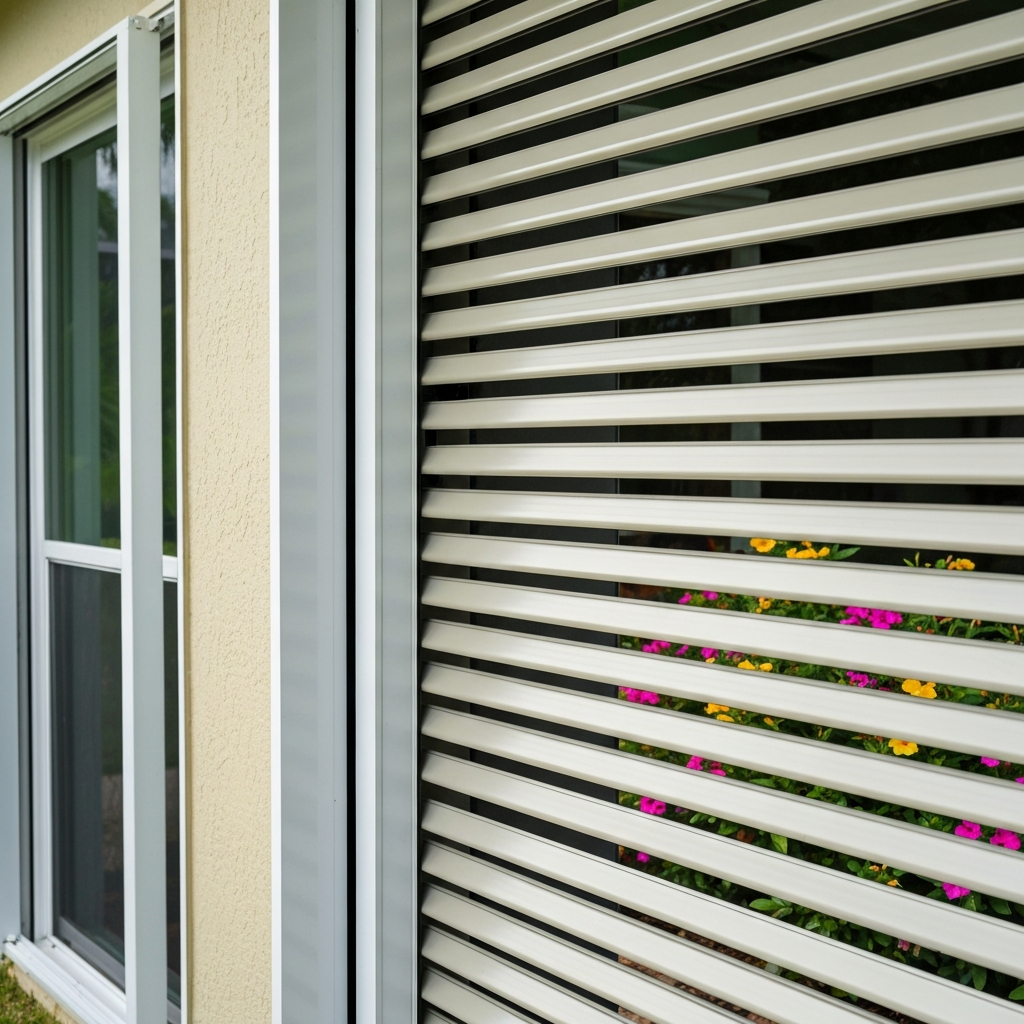
If full impact window replacement isn't in the current budget, hurricane fabric and accordion shutters are approved alternatives under the Florida Building Code. However, impact glass provides year-round protection without the need to deploy shutters before each storm, and it also improves energy efficiency and noise reduction — a meaningful benefit in a climate where the AC runs almost continuously.
3. Inspect and Reinforce Your Exterior Siding
Exterior siding — whether stucco, fiber cement, vinyl, or wood — protects your home's structural sheathing and insulation from wind-driven rain. In Southwest Florida's climate, siding faces a double threat: the mechanical stress of high winds, and the moisture intrusion that follows any breach. A hairline crack in stucco or a single displaced vinyl siding panel can allow hundreds of gallons of water inside over the course of a multi-hour storm.
Before hurricane season, walk the perimeter of your home and inspect for:
- Cracks or gaps in stucco, especially around window frames, door frames, and where different materials meet
- Loose or missing siding panels that could detach in high winds and become dangerous projectiles
- Deteriorated caulk and sealants at all penetrations — hose bibs, electrical boxes, dryer vents, and utility lines
- Signs of moisture damage or discoloration behind siding at the base of walls near ground level
- Damaged soffit or fascia that could allow wind uplift under the roofline
Vong Home Remodeling specializes in exterior siding installation and repair throughout the Port Charlotte and Southwest Florida area. We work with fiber cement siding — particularly James Hardie products — which is engineered to withstand Florida's extreme weather, resist moisture, and maintain its appearance without warping, cracking, or rotting. Fiber cement is also non-combustible, an important consideration given Florida's wildfire risk during dry season.
4. Secure Outdoor Structures and Landscaping
Patio furniture, potted plants, outdoor grills, and decorative items become airborne missiles in hurricane-force winds. Before any named storm threatens Southwest Florida, every unsecured outdoor item must be brought inside or anchored. But beyond storm prep, year-round landscaping maintenance is also critical to minimizing hurricane damage risk:
- Trim trees and palms regularly — overhanging branches over your roof are a significant risk in high winds. Florida-native palms are naturally flexible, but large Live Oaks and other hardwoods can drop heavy limbs.
- Remove dead or diseased trees that could fall on your home, vehicle, or neighboring property
- Inspect and anchor pool enclosures, pergolas, and screen rooms — these structures are particularly vulnerable and should be evaluated by a contractor before each storm season
- Check and secure fence posts and panels — wood and vinyl fencing frequently fails in hurricane winds, and large panels can travel significant distances
- Grade your landscaping to ensure water drains away from your foundation, not toward it
5. Test Your Generator and Utility Shutoffs
Power outages after major hurricanes in Charlotte County and Sarasota County can last days or even weeks. A properly sized and maintained standby or portable generator is essential — but only if it's fueled, maintained, and safely connected. Before hurricane season:
- Test your generator under load to confirm it starts and runs properly. Run it for at least 30 minutes and connect your essential appliances
- Stock at minimum 5–7 days of fuel, stored in approved containers in a shaded, ventilated area
- Know the location of your home's main electrical panel, gas shutoff, and water main shutoff
- Install a battery-powered carbon monoxide detector and ensure it's working — generator-related CO poisoning is a leading cause of storm-related fatalities
- If you have a natural gas or propane generator, have it serviced annually by a licensed technician
6. Document Your Home and Review Your Insurance
Before every hurricane season, walk through your entire home with a video camera or smartphone and document every room, appliance, and structural feature. Store this documentation in cloud storage so it's accessible from anywhere. Review your homeowner's insurance policy carefully:
- Confirm your policy includes wind and flood coverage — in Florida, these are often separate policies and flood coverage through FEMA's NFIP must be purchased independently
- Check your hurricane deductible — in Florida, this is often 2–5% of your home's insured value, not a flat dollar amount
- Understand your Additional Living Expenses (ALE) coverage, which covers hotel and meal costs if your home is uninhabitable after a storm
- Ask your agent about discounts for wind mitigation improvements including impact windows, reinforced garage doors, and hip roofs
Ready to Fortify Your Southwest Florida Home?
Vong Home Remodeling, Inc. is a licensed and insured general contractor serving Port Charlotte, Punta Gorda, North Port, Venice, Englewood, and Cape Coral. From roof repair and impact window installation to exterior siding and storm damage restoration, our team is ready to help you protect your most important investment.